Source Compostable Bioplastic Resin for Bags, Tableware, and Mulch
Find 30 listings for compostable bioplastic resin suitable for shopping bags, tableware, and mulch films. Buyers can compare grades, certifications, and packing options from verified Chinese manufacturers offering food contact and non-toxic materials.
Key considerations
Products List




Comprehensive Sourcing Guide
Compostable Bioplastic Resin Sourcing Guide
Sourcing compostable bioplastic resin requires a disciplined approach to material verification, as the term encompasses a diverse range of polymer chemistries and end-of-life pathways. Buyers must distinguish between materials designed for industrial composting facilities and those suitable for home composting environments, as their degradation timelines and required conditions differ significantly. The procurement process begins with a clear definition of the desired biodegradability profile, ensuring that the selected resin aligns with the specific regulatory requirements of the target market and the functional needs of the final product.
This guide focuses on the technical and commercial realities of sourcing these advanced materials, drawing on observed market data and standard industry practices. It addresses the critical decision points from initial specification to long-term supplier management, providing a framework for evaluating suppliers based on tangible evidence rather than marketing claims. By adhering to the structured verification steps outlined below, procurement teams can mitigate risks associated with material performance, compliance gaps, and supply chain instability.
Product Scope and Observed Listing Signals
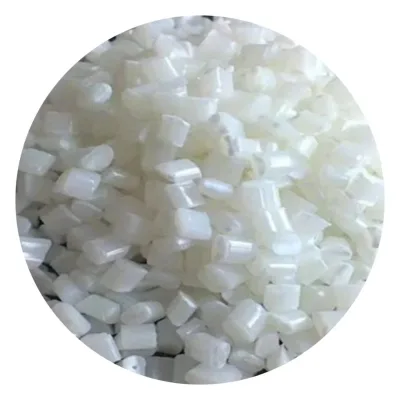
The market for compostable bioplastic resin is characterized by a wide variance in product forms, ranging from virgin granules to recycled variants, each serving distinct manufacturing processes. Observed listings frequently highlight specific polymer blends, such as PBAT combined with PLA, which are engineered to balance flexibility, strength, and compostability. These materials are often presented in granular form, suitable for injection molding, blown film extrusion, and other plastic forming methods, indicating their versatility across different production lines. Buyers should note that the appearance of the resin, typically described as white or off-white granules, is a basic visual indicator but does not guarantee chemical consistency without further verification.
Commercial signals in the marketplace reveal significant flexibility in packaging and minimum order quantities, reflecting the varied needs of small-scale innovators and large-volume manufacturers. Packaging options observed include standard 25kg bags, palletized units, and custom configurations, suggesting that suppliers are adaptable to different logistical requirements. The minimum order quantities range widely, allowing buyers to test materials with lower initial commitments while also supporting bulk procurement for established production runs. This variability necessitates a careful evaluation of total landed costs, including packaging waste and storage requirements, rather than focusing solely on the unit price of the resin.
Technical Specifications to Verify
Verifying the molecular structure and polymer grade is essential to ensure the resin meets the functional requirements of the final application. The principal chain of the polymer, whether it is an element organic polymer, heterochain polymer, or carbon chain polymer, dictates the material's thermal stability, mechanical strength, and degradation behavior. Buyers must confirm the specific grade of the resin, such as extrusion grade, blown film grade, or injection molding grade, as these classifications directly impact processing parameters and equipment compatibility. Misalignment between the resin grade and the manufacturing process can lead to production inefficiencies, defects, or compromised product integrity.
Performance characteristics, including thermoplastic behavior after heating and specific features like biodegradability and compostability, must be validated through technical data sheets and independent testing. The material's usage classification, whether as a general plastic, engineering plastic, or specialty plastic, provides insight into its durability and suitability for demanding applications. Additionally, the presence of specific model numbers or standard identifiers, such as YYBM01 or 4043, should be cross-referenced with supplier documentation to ensure consistency and traceability. Buyers should also verify the material's toxicity and flavor profiles, ensuring they are non-toxic and odorless, particularly for applications involving food contact or consumer goods.
Compliance and Safety Documentation
Compliance with international compostability standards is a non-negotiable requirement for sourcing genuine compostable bioplastic resin. Certifications from recognized bodies such as TUV Rheinland, OK Compost, BPI, and DIN provide independent verification that the material meets specific degradation criteria and safety standards. Buyers must request current certification documents and verify their validity, as certifications can expire or be revoked if production processes change. The presence of these certifications is a strong indicator of supplier credibility and commitment to quality, but they should be treated as baseline requirements rather than sole determinants of material performance.
Food contact safety is another critical compliance area, especially for resins intended for packaging applications. The material grade must explicitly support food contact use, and suppliers should provide documentation confirming adherence to relevant food safety regulations. Additionally, buyers should assess the environmental protection claims associated with the product, ensuring that the manufacturing process and the material itself align with sustainability goals. The absence of toxic substances and the non-flavor profile of the resin are essential for maintaining product safety and consumer trust, particularly in markets with stringent environmental and health regulations.
Cost Drivers and Commercial Terms
The cost of compostable bioplastic resin is influenced by several factors, including the raw material composition, processing complexity, and certification status. Observed price ranges vary significantly, reflecting differences in polymer blends, purity levels, and volume discounts. Buyers should analyze the total cost of ownership, considering not only the unit price but also the minimum order quantities, payment terms, and shipping costs. The requirement for 100% T/T in advance payment is a common commercial term, which may impact cash flow and necessitate careful financial planning.
Customization availability is a key value driver for many buyers, allowing for tailored solutions that meet specific application needs. Suppliers that offer customization options can provide greater flexibility in terms of material properties, packaging, and delivery schedules. However, customization may also introduce additional costs and longer lead times, which should be factored into the procurement strategy. Buyers should negotiate clear terms regarding customization, including any associated fees and quality assurance measures, to ensure that the final product meets their expectations without unexpected expenses.
Supplier Qualification and Quality Control
Supplier qualification involves a thorough assessment of their manufacturing capabilities, quality control systems, and track record. Buyers should verify the supplier's origin and location, as these factors can influence logistics, lead times, and regulatory compliance. Suppliers based in regions with established bioplastic industries, such as China or Henan, may offer advantages in terms of supply chain maturity and technical expertise. However, buyers must also consider the potential risks associated with geopolitical factors and supply chain disruptions, diversifying their supplier base where possible.
Quality control measures should be rigorously evaluated, including the supplier's ability to provide consistent product specifications and batch-to-batch consistency. Buyers should request samples for testing and conduct independent verification of key attributes, such as molecular weight, melt flow index, and degradation rate. Establishing clear quality agreements and inspection protocols is essential to maintain product integrity and prevent defects. Regular audits and performance reviews can help ensure that suppliers continue to meet the required standards and adapt to changing market conditions.
Long-Term Procurement Checks
Long-term procurement success depends on continuous monitoring of supplier performance and market trends. Buyers should establish key performance indicators (KPIs) to track delivery reliability, quality consistency, and responsiveness to issues. Regular communication with suppliers is essential to address any emerging challenges and to explore opportunities for improvement or innovation. Staying informed about advancements in bioplastic technology and regulatory changes can help buyers anticipate shifts in the market and adjust their sourcing strategies accordingly.
Sustainability and environmental impact should remain central to the procurement strategy, with regular assessments of the supplier's environmental practices and the lifecycle impact of the materials. Buyers should encourage suppliers to adopt sustainable manufacturing processes and to provide transparent reporting on their environmental footprint. By maintaining a focus on long-term value and ethical sourcing, buyers can build resilient supply chains that support both business objectives and environmental stewardship. This proactive approach ensures that the procurement of compostable bioplastic resin contributes to broader sustainability goals and regulatory compliance.
FAQs
What certifications are available for compostable bioplastic resin?
Certifications include TUV Rheinland, Ok Compost, Bpi, and DIN. These verify the material meets recognized biodegradability and compostability standards. Buyers should request specific certificates to ensure compliance with regional regulations and end-of-life requirements for their products.
Can compostable bioplastic resin be customized for specific applications?
Yes, customization is available for various uses such as shopping bags, tableware, and mulch films. The resin supports injection and blown film forming methods. Suppliers can adjust properties to meet specific mechanical or processing needs for general, engineering, or specialty plastics.
What is the typical lead time for compostable bioplastic resin orders?
The production time ranges from 180 to 360 days. This duration depends on order volume and specific grade requirements like extrusion or injection molding. Buyers should plan procurement schedules accordingly to align with manufacturing cycles and ensure timely delivery of raw materials.
How is compostable bioplastic resin packaged for shipment?
Packaging options include 25kg bags, bags on pallets, or boxes. Standard dimensions like 61*45*20cm are used for palletized goods. The material is non-toxic and odorless, ensuring safe handling and storage during transit to international destinations from China or Henan.
What grades of compostable bioplastic resin are offered?
Grades include Food Contact, Extrusion Grade, Blown Film Grade, and Injection Moldi. These cater to diverse applications from bio plastic bags to engineering plastics. The resin is available as virgin or recycled material, maintaining high purity levels for sensitive uses.
What is the minimum order quantity for compostable bioplastic resin?
The MOQ ranges from 1 to 10000 units depending on the supplier. Flexible terms accommodate both small trials and large industrial purchases. Payment is typically required as 100% T/T in advance. Buyers should confirm specific MOQs with vendors to secure the best pricing tiers.